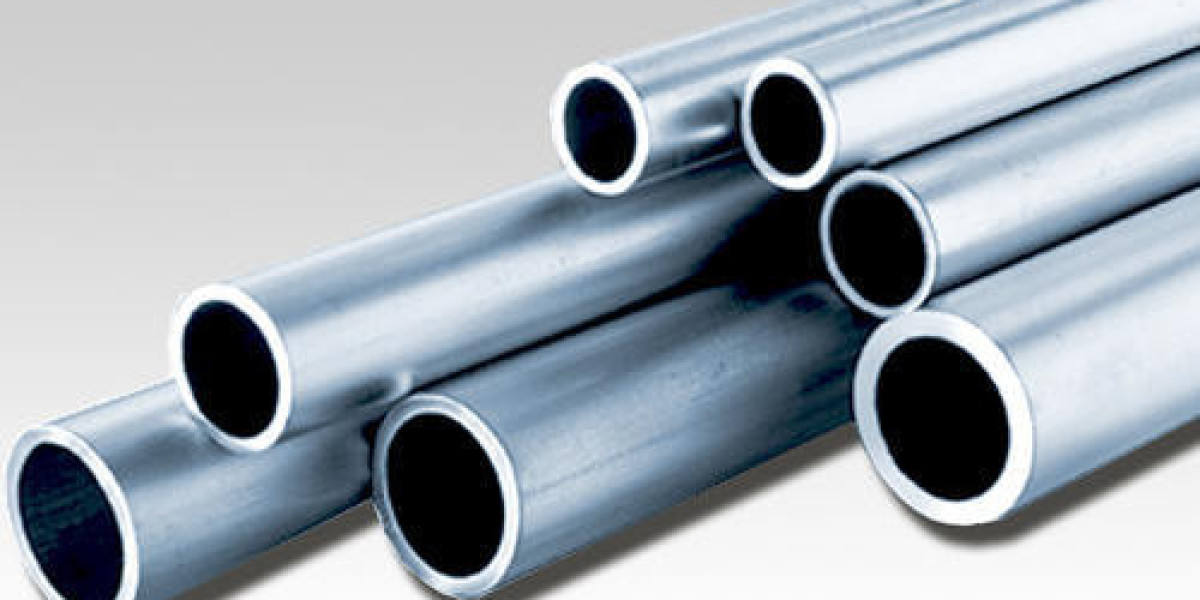

Industrial infrastructure depends heavily on well-designed piping networks to transport liquids, gases, chemicals, and steam safely and efficiently. Whether in oil refineries, petrochemical plants, water treatment facilities, marine installations, or power generation units, piping systems must operate under high pressure, fluctuating temperatures, and challenging environmental conditions.
While pipes serve as the primary channels for fluid movement, the real strength of a piping system lies in its connections and directional control components. High-quality PIPE FITTINGS are critical in ensuring proper alignment, leak prevention, pressure management, and overall system integrity.
In modern industrial environments, reliability is not a luxury — it is a necessity. Selecting the right components directly influences operational safety, maintenance costs, and long-term performance.
Understanding the Role of Piping Connection Components
In any fluid transfer system, pipes alone cannot create a functional network. Direction changes, diameter adjustments, branching, and termination points require specialized connection elements. These components allow engineers to design complex layouts while maintaining structural integrity.
They serve several important purposes:
Connecting pipe sections
Changing flow direction
Adjusting pipe diameter
Creating branch connections
Sealing system endpoints
Supporting pressure control
Without properly engineered connection elements, even the most durable pipes would fail to deliver consistent performance.
Types of Industrial Piping Connections
Industrial systems utilize a wide variety of connection designs, each tailored to specific operational requirements.
Elbows
Elbows are used to change the direction of flow, commonly available in 45°, 90°, and 180° angles. They are essential in confined spaces where directional flexibility is required.
Tees
Tees allow fluid to branch into two directions. They are widely used in distribution networks and complex pipeline systems.
Reducers
Reducers help connect pipes of different diameters. They are critical in managing flow rates and pressure changes within a system.
Couplings
Couplings join two pipes together securely, ensuring continuity in fluid transfer.
Caps and Plugs
These components seal the ends of pipes to prevent leakage or contamination.
Each of these components contributes to creating a complete and efficient piping network.
Materials Used in Industrial Piping Systems
Material selection is one of the most critical decisions in system design. The choice depends on factors such as operating pressure, temperature, chemical exposure, and environmental conditions.
Stainless Steel
Known for corrosion resistance and durability, stainless steel is ideal for chemical processing, marine, and food industries.
Carbon Steel
Widely used in high-pressure systems due to its strength and cost efficiency.
Alloy Steel
Suitable for high-temperature and high-stress applications.
PVC and Plastic Materials
Used in low-pressure and non-corrosive environments.
Selecting the correct material ensures safety, longevity, and regulatory compliance.
Applications Across Key Industries
Oil and Gas Sector
Refineries and drilling operations involve high-pressure pipelines transporting hydrocarbons. Strong and reliable connection components are vital for preventing leaks and environmental hazards.
Petrochemical Industry
Chemical processing plants require corrosion-resistant materials capable of handling aggressive substances.
Water Treatment Plants
Municipal and industrial water systems depend on durable components for consistent flow and pressure management.
Power Generation
Steam lines and cooling systems operate under high temperatures and pressure levels. High-strength materials are essential to maintain operational continuity.
Marine and Offshore Installations
Saltwater exposure accelerates corrosion. Proper material selection ensures longevity and reduced maintenance.
Importance of Engineering Precision
Industrial piping systems operate under strict safety regulations. Poorly manufactured components can lead to system failure, leaks, and costly downtime.
Precision manufacturing involves:
Accurate dimensional control
High-quality welding processes
Smooth internal surfaces to reduce turbulence
Pressure testing and inspection
Compliance with international standards
Advanced production techniques ensure uniformity and performance consistency.
Pressure and Temperature Considerations
Industrial piping networks must handle varying pressure levels and temperature ranges. Components are rated based on their ability to withstand these conditions.
Key considerations include:
Maximum operating pressure
Temperature limits
Thermal expansion
Vibration resistance
Stress tolerance
Failure to match system requirements with component ratings can result in structural failure.
Preventing Leakage and System Failures
Leak prevention is a top priority in industrial environments. Even minor leaks can result in:
Environmental contamination
Fire hazards
Production downtime
Financial losses
Regulatory penalties
High-quality connection components ensure tight seals and long-term reliability. Proper installation, routine inspection, and preventive maintenance further enhance system safety.
Installation Best Practices
Correct installation significantly impacts system performance.
Important guidelines include:
Ensuring alignment before tightening
Using compatible gaskets and seals
Following torque specifications
Avoiding over-stressing joints
Conducting pressure testing after installation
Professional installation reduces the risk of premature failure.
Benefits of Using High-Quality Industrial Components
Investing in premium piping components provides multiple long-term benefits:
Reduced maintenance costs
Enhanced operational safety
Improved energy efficiency
Longer service life
Lower risk of unexpected shutdowns
In high-demand industries, reliability translates directly into profitability.
Sustainability and Environmental Responsibility
Modern industries are increasingly focused on sustainability. Durable and corrosion-resistant materials reduce waste and replacement frequency.
Additionally, recyclable metals like stainless steel contribute to environmentally responsible industrial practices.
Efficient piping systems also minimize leakage, reducing environmental impact.
Technological Advancements in Piping Engineering
Engineering advancements continue to improve industrial connection systems.
Innovations include:
Computer-aided design (CAD) for precision layouts
Enhanced welding techniques
Corrosion-resistant coatings
Non-destructive testing methods
Advanced material alloys
These improvements ensure that modern piping systems can meet growing industrial demands.
Choosing a Reliable Supplier
Selecting a trusted supplier ensures compliance with industry standards and access to technical expertise.
Consider the following factors:
International certifications
Quality testing procedures
Material traceability
Engineering support
Proven industry experience
A reliable partner provides not just components, but long-term value.
Cost Efficiency Over the Long Term
While lower-cost alternatives may seem attractive initially, inferior components often lead to higher maintenance and replacement expenses.
Premium-quality piping components provide:
Longer operational lifespan
Reduced downtime
Lower repair costs
Greater system efficiency
The total cost of ownership is significantly reduced when investing in quality.
The Future of Industrial Piping Systems
As industries grow more complex, piping systems must adapt to higher performance standards. Increased pressure ratings, stricter environmental regulations, and demand for energy efficiency are shaping the future of industrial engineering.
Advanced materials and precision manufacturing will continue to improve reliability and sustainability.
Conclusion
Industrial piping networks depend on strong, durable, and precisely engineered connection components to ensure safe and efficient operation. From oil refineries to water treatment facilities, every system relies on reliable joints and directional elements to maintain structural integrity.
Investing in high-quality industrial connection solutions enhances safety, reduces maintenance costs, and ensures long-term operational success. In demanding environments where performance cannot be compromised, precision-engineered components remain the foundation of efficient fluid management systems.