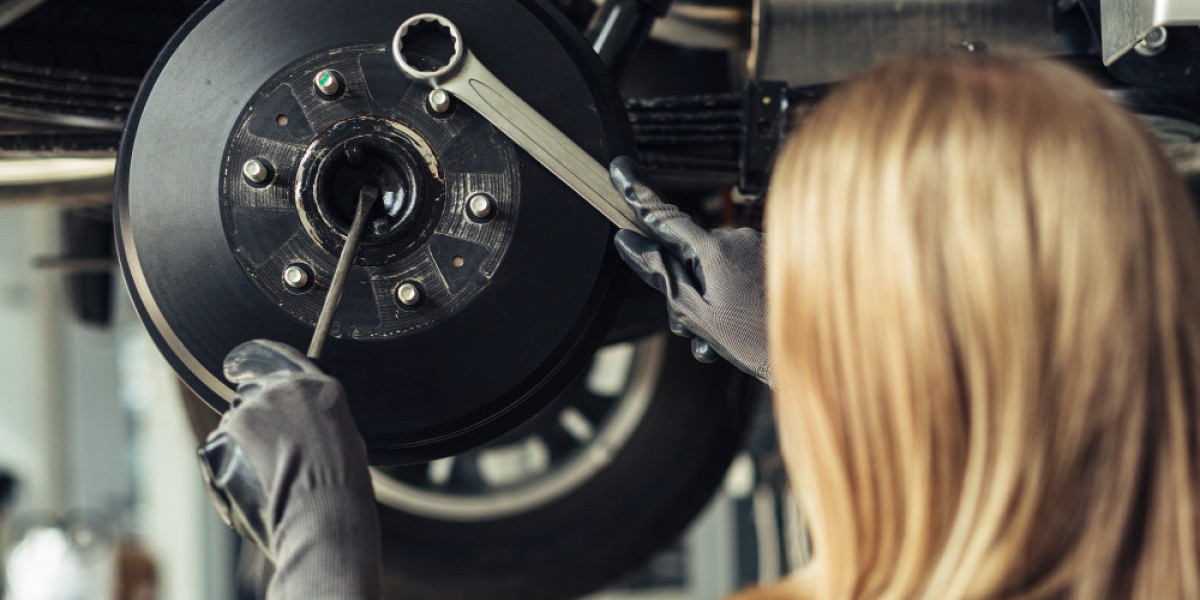

Wheel-end systems operate under constant load, shock, and high-speed rotation. When a hub bearing fails, it can cause vibration, abnormal noise, and steering instability.
For automotive manufacturers and fleet operators, this leads to:
Increased warranty claims
Reduced vehicle safety
Higher maintenance costs
Unexpected downtime
Low-quality bearings often cannot handle combined radial and axial loads effectively.
The Solution – What Is a Hub Bearing?
A hub bearing is a pre-assembled wheel-end unit that supports the vehicle’s weight while allowing smooth wheel rotation. It integrates rolling elements, seals, and mounting features into a compact assembly.
This design simplifies installation and improves load distribution compared to traditional bearing setups.
Core Components
Inner and outer bearing rings
Precision rolling elements (balls or rollers)
Integrated hub flange
Advanced sealing system
Pre-applied lubrication
These components work together to ensure smooth rotation and structural stability.
How Hub Bearings Work
Hub bearings reduce friction while supporting both radial and axial forces generated during driving.
Working Principle
The wheel rotates with the hub assembly.
Rolling elements move between hardened raceways.
Lubrication minimizes friction and heat.
Seals protect against dust, water, and debris.
This integrated structure ensures accurate wheel alignment and stable driving performance.
Problems with Traditional Bearing Systems
Older wheel assemblies used separate bearings that required manual adjustment. These systems had several limitations:
Complex installation
Higher risk of misalignment
Frequent lubrication needs
Poor sealing against contamination
Reduced lifespan under heavy loads
Such setups increased maintenance frequency and failure risk.
A modern hub bearing eliminates these weaknesses through pre-set internal clearance and integrated sealing technology.
Key Features of High-Quality Hub Bearings
Engineering Strength
High-carbon chromium steel
Precision-ground raceways
Heat-treated components
Corrosion-resistant surface finish
Performance Benefits
High radial and axial load capacity
Reduced vibration and road noise
Long service life
Improved wheel alignment accuracy
Low maintenance requirements
These features are critical in both passenger and commercial vehicle applications.
Comparison – Traditional Wheel Bearings vs Hub Bearings
| Feature | Traditional Bearings | Hub Bearing |
|---|---|---|
| Installation | Complex & adjustable | Pre-assembled & simple |
| Alignment | Manual adjustment | Pre-set precision |
| Maintenance | Frequent lubrication | Low maintenance |
| Sealing | Limited protection | Integrated sealing |
| Lifespan | Moderate | Extended durability |
For OEMs and fleet operators, integrated systems reduce downtime and improve reliability.
Real Applications Across Industries
Hub bearings are widely used in:
Passenger cars
SUVs and light trucks
Commercial vehicles
Agricultural equipment
Construction machinery
In these applications, wheel stability and smooth rotation directly affect safety and fuel efficiency.
Why Manufacturers Prefer Hub Bearings
Automotive engineers and OEM suppliers prefer modern hub bearing units because they:
Simplify assembly processes
Improve production efficiency
Reduce part count
Enhance safety performance
Lower total ownership cost
For B2B buyers, reliability and consistent quality are essential for maintaining brand reputation.
How to Choose the Right Hub Bearing
Selecting the correct hub bearing requires technical evaluation.
Key Selection Criteria
Vehicle or equipment compatibility
Load and speed requirements
Environmental exposure conditions
Material and heat treatment quality
OEM specification compliance
Questions Engineers Should Ask
Is the bearing pre-lubricated and sealed?
Does it meet international quality standards?
Is it designed for high-load or heavy-duty use?
What is the expected service life?
Careful evaluation ensures optimal performance and long-term durability.
Conclusion
Wheel-end failure affects safety, efficiency, and operational cost. Traditional systems often struggle under modern load demands.
A high-performance hub bearing provides:
Smooth and stable wheel rotation
Strong load support
Reduced vibration and noise
Long operational lifespan
For manufacturers, engineers, and B2B buyers, investing in quality hub bearing solutions ensures reliable performance, improved safety, and long-term cost efficiency.