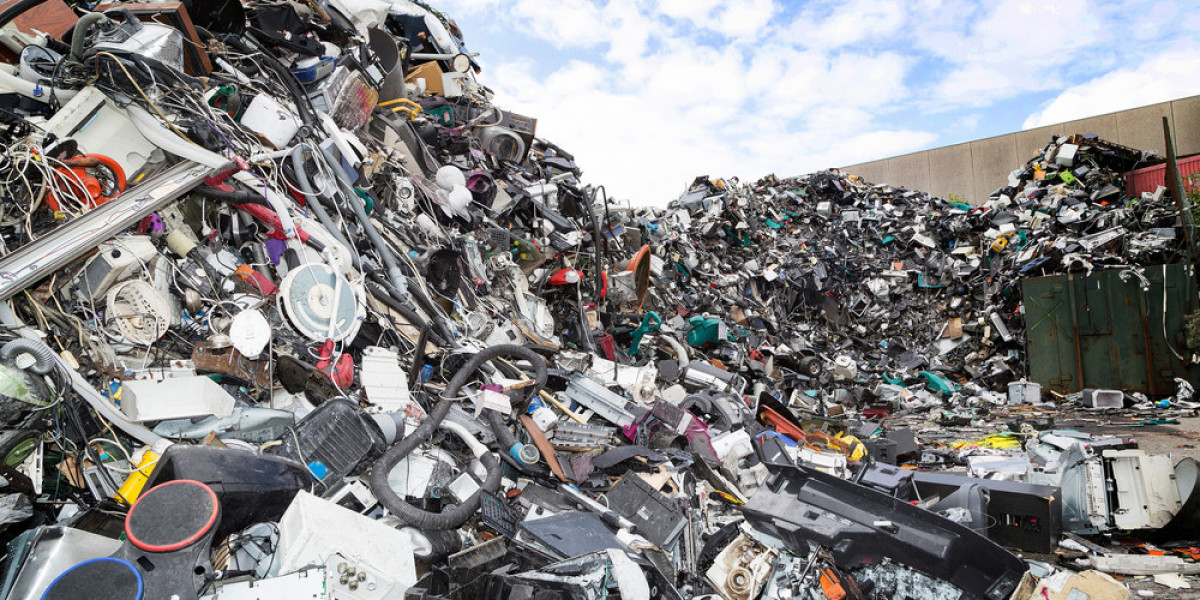

India is one of the fastest-growing digital economies in the world. With rapid technological advancements, businesses regularly upgrade computers, servers, mobile devices, and other electronic equipment to stay competitive. While this digital transformation boosts productivity, it also creates a significant challenge—electronic waste, commonly known as e-waste.
Improper disposal of outdated electronics can lead to serious environmental, legal, and data security risks. This is why businesses must work with authorized e-waste recyclers in India to ensure safe, compliant, and responsible disposal of electronic assets.
The Growing E-Waste Problem in India
E-waste includes discarded electronic devices such as laptops, desktops, printers, batteries, servers, networking equipment, and other IT assets. These items often contain hazardous materials like lead, mercury, cadmium, and brominated flame retardants. When disposed of improperly, these substances can contaminate soil, water, and air, posing serious health risks.
India generates millions of tonnes of e-waste annually, and the volume continues to rise due to increasing digital adoption. Businesses, especially large organizations and IT-driven industries, contribute significantly to this waste stream. Responsible e-waste management is no longer optional—it is a legal and ethical obligation.
Legal Compliance and Regulatory Requirements
The Indian government has implemented strict regulations under the E-Waste Management Rules to control the handling, storage, transportation, and recycling of electronic waste. These rules emphasize Extended Producer Responsibility (EPR), proper documentation, and environmentally sound recycling practices.
Working with authorized e-waste recyclers in India ensures that businesses comply with these regulations. Authorized recyclers operate under government approvals and follow standardized procedures for collection, dismantling, recycling, and disposal.
Failure to comply with e-waste regulations can result in penalties, legal actions, and reputational damage. Partnering with certified recyclers minimizes these risks and ensures full regulatory adherence.
Data Security and Confidential Information Protection
One of the most critical concerns for businesses disposing of electronic equipment is data security. Old computers, hard drives, and servers often contain sensitive information such as financial records, client data, employee details, and proprietary business information.
Simply deleting files or formatting devices is not enough to ensure complete data removal. Authorized recyclers use secure data destruction methods such as physical shredding, degaussing, or certified data wiping processes to prevent data breaches.
By working with professional e-waste recyclers, businesses protect themselves from potential cyber risks, identity theft issues, and data misuse.
Environmentally Responsible Recycling Practices
Unauthorized or informal recycling operations often use unsafe methods such as open burning or acid baths to extract valuable materials from electronic waste. These practices release toxic substances into the environment and harm workers and nearby communities.
Authorized e-waste recyclers in India follow environmentally responsible processes. They use controlled dismantling techniques, pollution control systems, and scientific recycling methods to recover valuable materials like copper, aluminum, gold, and plastic without causing environmental damage.
Responsible recycling helps reduce landfill waste, conserve natural resources, and lower greenhouse gas emissions. By choosing authorized recyclers, businesses contribute to environmental sustainability and corporate social responsibility goals.
Transparent Documentation and Traceability
Authorized recyclers provide proper documentation, including collection receipts, recycling certificates, and destruction certificates. This documentation is essential for audits, regulatory inspections, and sustainability reporting.
Traceability ensures that electronic waste is processed through approved channels and not diverted to informal sectors. This transparency builds trust with stakeholders, investors, and regulatory authorities.
Businesses can confidently demonstrate their commitment to be responsible for waste recyclers in india management through verified recycling records.
Supporting the Circular Economy
E-waste contains valuable materials that can be recovered and reused in manufacturing new products. Proper recycling reduces the need for mining raw materials, which often involves high energy consumption and environmental degradation.
By working with authorized recyclers, businesses actively support the circular economy. Instead of treating electronic waste as a liability, it becomes a resource that contributes to sustainable production systems.
This approach aligns with global sustainability frameworks and enhances a company’s environmental, social, and governance (ESG) performance.
Enhancing Corporate Reputation
Sustainability is increasingly important to customers, investors, and business partners. Companies that adopt responsible waste management practices demonstrate environmental awareness and ethical operations.
Partnering with authorized e-waste recyclers in India strengthens a company’s brand image and corporate reputation. It shows that the organization values compliance, environmental protection, and data security.
In competitive markets, responsible practices can become a differentiating factor that builds long-term trust and loyalty.
Safe Handling of Hazardous Components
Electronic devices often contain hazardous components such as lithium batteries, cathode ray tubes, and circuit boards with toxic metals. Improper handling can lead to fires, chemical leaks, and worker injuries.
Authorized recyclers are trained to manage these components safely. They follow strict safety protocols, use protective equipment, and comply with environmental standards to ensure safe disposal.
This reduces workplace risks and protects businesses from potential liabilities associated with unsafe disposal practices.
The Way Forward for Businesses
As technology continues to evolve, electronic waste generation will only increase. Businesses must adopt structured and compliant e waste recyclers in india strategies to address this growing challenge.
Working with authorized e-waste recyclers in India ensures legal compliance, protects sensitive data, supports environmental sustainability, and enhances corporate credibility. It is not merely a regulatory requirement but a responsible business practice.
In today’s environmentally conscious and digitally driven world, responsible e-waste recycling is a critical component of sustainable business operations. By choosing authorized partners, businesses take a proactive step toward protecting the environment, safeguarding data, and contributing to a cleaner and greener future.