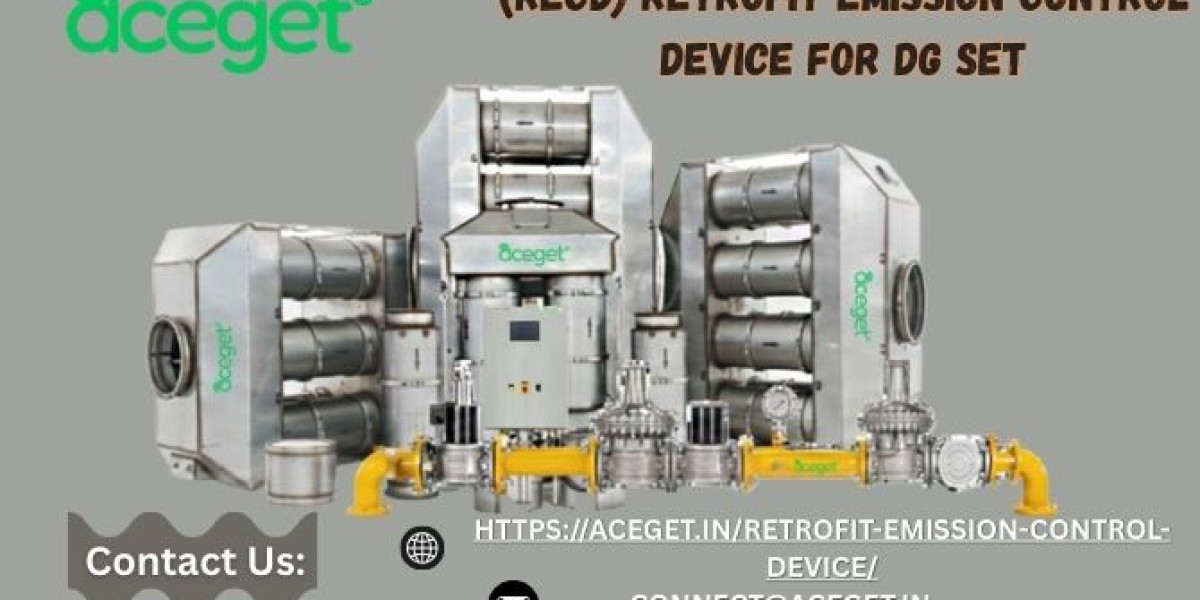

Diesel Generator (DG) sets are widely used across industries commercial buildings hospitals residential complexes and construction sites to ensure uninterrupted power supply. While they are reliable and efficient DG sets are also significant contributors to air pollution. With rising environmental concerns and stricter emission norms retrofit emission control devices have become essential for existing DG sets.
Understanding the Emission Problem
DG sets emit harmful pollutants such as:
Particulate Matter (PM)
Nitrogen Oxides (NOx)
Carbon Monoxide (CO)
Hydrocarbons (HC)
Sulfur Oxides (SOx)
These pollutants contribute to poor air quality respiratory illnesses smog formation and environmental degradation. In urban areas especially DG sets can significantly worsen local air pollution levels.
What Are Retrofit Emission Control Devices?
Retrofit emission control devices (RECD) are pollution control systems installed on existing DG sets to reduce harmful emissions. Instead of replacing older generators with new compliant models, these devices upgrade the emission performance of current equipment.
Common retrofit solutions include:
Diesel Particulate Filters (DPF)
Diesel Oxidation Catalysts (DOC)
Selective Catalytic Reduction (SCR) systems
Closed Crankcase Ventilation (CCV) systems
These technologies are designed to significantly reduce particulate matter and gaseous pollutants.
Why Retrofit Devices Are Essential
1. Compliance with Emission Regulations
Governments and environmental authorities are implementing stricter emission norms for diesel generators. Many regions mandate emission control systems for in-use DG sets particularly in highly polluted cities. Retrofit devices help organizations comply with these regulations and avoid penalties or operational restrictions.
2. Improved Air Quality
Retrofit systems can reduce particulate emissions by up to 70–90% (depending on technology). By minimizing toxic exhaust, they contribute to cleaner air and healthier communities.
3. Protection of Public Health
Exposure to diesel exhaust is linked to asthma, cardiovascular disease, and other serious health conditions. Installing emission control devices helps reduce health risks for employees residents and the surrounding population.
4. Cost-Effective Alternative to Replacement
Replacing old DG sets with new compliant units can be expensive. Retrofit solutions provide a more affordable way to achieve compliance and environmental performance without complete equipment replacement.
5. Corporate Environmental Responsibility
Sustainability has become a key priority for businesses. Installing retrofit emission control devices demonstrates commitment to environmental stewardship corporate social responsibility (CSR) and ESG goals.
6. Operational Continuity
In some regions non compliant DG sets may face usage restrictions especially during high pollution periods. Retrofit devices ensure continued operation even under strict environmental controls.
Industries That Benefit Most
Hospitals and healthcare facilities
Data centers
Manufacturing plants
Commercial buildings
Construction projects
Residential complexes
For these sectors uninterrupted power is critical and retrofitting allows reliable backup power without compromising environmental standards.
The Long-Term Impact
As environmental regulations continue to tighten globally emission control will no longer be optional. Retrofitting existing DG sets helps bridge the gap between operational needs and environmental responsibility. It supports cleaner cities protects public health and ensures regulatory compliance all while preserving capital investment in existing equipment.
Conclusion
Retrofit emission control devices are not just regulatory add ons; they are essential upgrades for responsible DG set operation. By reducing harmful emissions ensuring compliance and supporting sustainability goals these systems play a vital role in modern power backup infrastructure.