
Leather armor patterns are more than just outlines on hide. They reflect decisions about movement protection, material behavior, and historical function. For anyone studying traditional armor making or historical leathercraft, these patterns offer insight into how craftspeople worked with the limits and strengths of leather rather than against it.
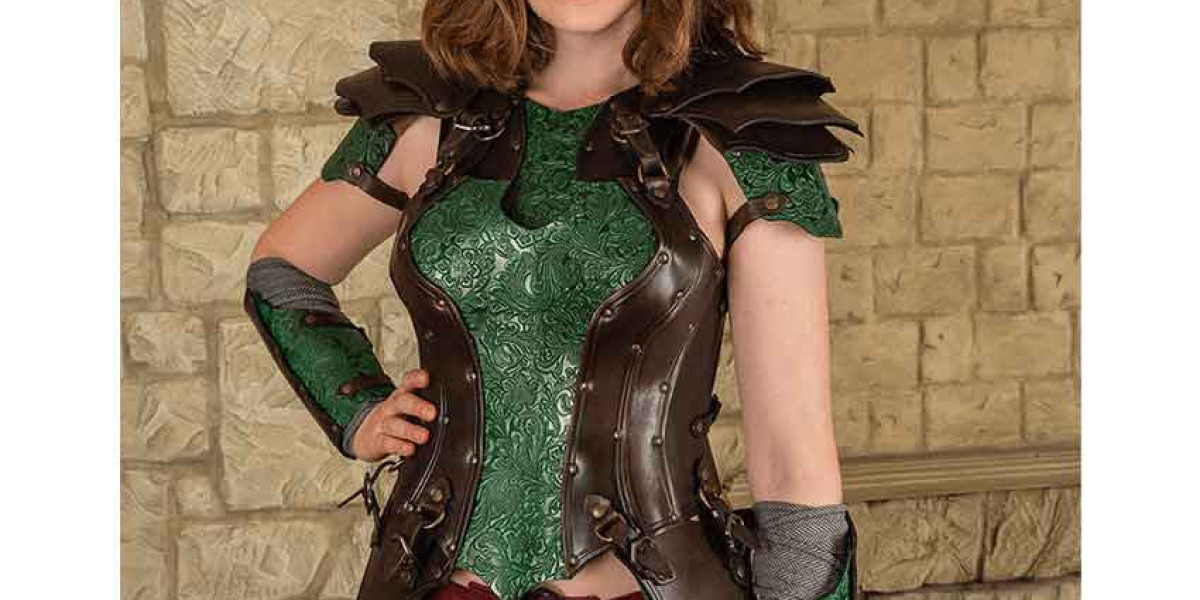
At their core leather armor patterns translate the human body into workable shapes. Leather does not behave like fabric or metal. It stretches, compresses and firms up depending on thicknes,s moisture and treatment. Because of this armor makers historically relied on carefully planned pattern pieces that followed muscle groups joints and points of impact. A chest panel for example is not flat by accident. Subtle curves allow it to sit against the torso while still dispersing force.
Material choice plays a major role here. leather has long been favored for armor work because it can be shaped molded and hardened using water heat and time. Patterns created for this type of leather often account for shrinkage and stiffness after forming. This means a pattern may look oversized or oddly shaped on the table but make sense once the leather is cased and formed. Understanding this relationship between pattern and process is essential for accurate results.
Historically armor patterns were rarely decorative first. They were functional documents. Edges aligned with natural stress lines. Overlaps appeared where blows were most likely to land. Straps and lacing holes were positioned to allow adjustment rather than symmetry. Studying surviving armor and reconstructions shows how pattern choices reflected real use including horseback combat foot soldiers and training gear.
In modern practice many makers study armor patterns as a learning tool rather than a finished solution. A pattern teaches proportion spacing and sequencing. It shows where to cut first where to mold and when to assemble. Even if the final piece is adapted the original pattern still informs those decisions. This is why pattern literacy matters as much as cutting accuracy.
When people talk about armor patterns today they are often referring to this deeper understanding rather than a simple template. A good pattern explains why pieces exist where they do and how they interact once worn. That knowledge connects modern leatherworkers to centuries of practical experimentation.
Final thought
Leather armor patterns sit at the intersection of body material and purpose. By studying how patterns respond to movement stress and leather behavior makers gain insight into historical problem solving and practical craftsmanship. Resources like Princearmoryacademy help preserve and explain that process for those who want to learn through structure rather than shortcuts.