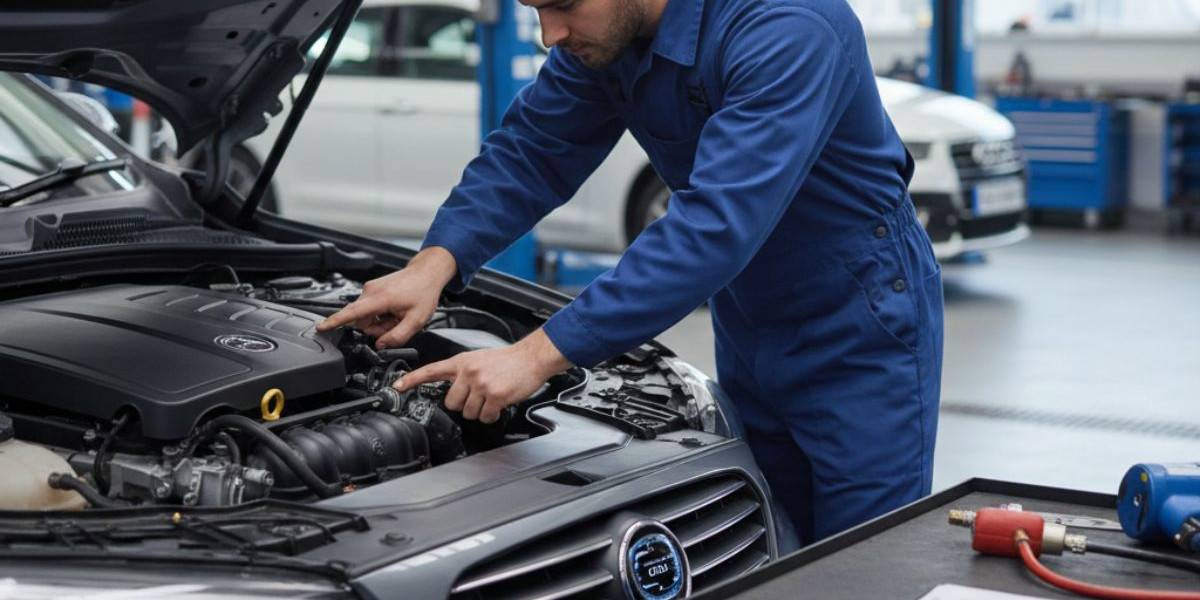

If your car’s engine isn’t reaching its normal operating temperature, it might seem harmless at first. However, an engine running too cool can lead to poor fuel efficiency, higher emissions, sluggish performance, and gradual internal wear.
Many UK drivers experience this issue alongside dashboard warning lights or fault codes such as P0128, which indicates the engine is not warming up as it should.
Understanding why your engine runs too cool is essential for avoiding unnecessary damage and escalating repair costs. Left unresolved, persistent temperature issues can place long-term strain on internal components, sometimes resulting in major repairs or, in extreme cases, the need for an engine replacement service.
This guide explains the most common causes, early warning signs, and practical fixes to help restore proper engine temperature and maintain reliable performance.
Why Engine Temperature Matters
Modern engines rely on precise temperature management for peak efficiency and longevity.
When an engine reaches its optimal operating temperature:
Fuel burns efficiently, reducing consumption
Engine oil flows correctly, providing proper lubrication
Emissions systems operate as designed
Components experience minimal wear
If the engine stays too cool, you may notice:
Higher fuel consumption
Sluggish acceleration or performance
Fault codes triggered by the ECU
Premature wear on pistons, cylinders, and valves
Poor cabin heating
Even a slightly low temperature can disrupt engine balance, making early diagnosis essential.
Common Causes of an Engine Running Too Cool
1. Faulty Thermostat – The Most Frequent Issue
The thermostat controls coolant flow between the engine and radiator. A properly functioning thermostat stays closed while the engine warms up, then gradually opens as the temperature rises.
If the thermostat is stuck open, coolant circulates constantly, preventing the engine from reaching its optimal temperature.
Typical symptoms include:
Low temperature gauge readings
Slow cabin heating
Reduced engine performance
Fix: Replacing the thermostat is straightforward and affordable. It’s usually the first check a mechanic will perform.
2. Failing Coolant Temperature Sensor (CTS)
The CTS sends temperature readings to the ECU. A malfunctioning sensor can falsely indicate the engine is too cool, causing the ECU to adjust fuel delivery incorrectly.
Signs include:
Erratic temperature readings
Hard starts in cold weather
Reduced fuel efficiency
Intermittent check engine lights
Fix: A professional mechanic can test and replace the CTS to restore accurate readings.
3. Excessive Coolant Flow or Wrong Coolant Mix
Engines require the correct coolant type and mixture, usually 50/50 antifreeze and water.
Problems arise if:
The mixture is too weak or strong
The water pump is overactive
Radiator sizing is incorrect
Leaks reduce coolant pressure
Fix: Correct coolant mixture, repair leaks, and ensure proper flow rates.
4. Radiator Fan Stuck On
If the radiator fan runs continuously, it can over-cool the engine.
Causes may include:
Faulty fan relay
Malfunctioning fan switch
ECU misreading sensor data
Damaged wiring
Fix: Inspect fan operation and replace relays, switches, or sensors as needed.
5. P0128 and Related Fault Codes
The P0128 fault code appears when the engine takes too long to warm up.
Usually, it points to a thermostat problem but can also relate to:
Faulty coolant temperature sensor
Excessive coolant flow
Radiator fan issues
Fix: A full cooling system inspection ensures the underlying problem is addressed.
6. Cold Weather Conditions
UK winters can slow engine warm-up. However, a properly working thermostat should compensate for colder air. Persistent low temperatures during short trips or on motorways indicate a mechanical or sensor-related issue rather than weather.
Warning Signs Your Engine Is Running Too Cool
Temperature gauge stays low or fluctuates
Weak cabin heating
Poor fuel economy
Sluggish engine response
Persistent check engine light
Strong petrol smell from richer fuel mixtures
These symptoms warrant inspection at a trusted local garage before costly damage occurs.
Is It Safe to Drive an Engine That Runs Too Cool?
Driving with a cool engine occasionally is generally safe, but prolonged low temperatures can cause:
Accelerated wear on pistons, rings, and cylinders
Carbon buildup in combustion chambers
Premature catalytic converter failure
Increased fuel consumption
Early repairs save both money and future engine problems.
How to Fix an Engine Running Too Cool
Most causes are straightforward to repair:
Replace a faulty thermostat
Check and replace the coolant temperature sensor
Inspect and repair radiator fans, relays, or switches
Fix leaks and refill coolant with the correct mixture
Use proper coolant type for your vehicle and UK climate
A qualified mechanic can run diagnostics, test components, and ensure the cooling system is functioning optimally.
Final Thoughts
An engine running too cool may seem minor, but ignoring it can lead to higher fuel bills, increased emissions, and long-term engine damage. Common causes range from stuck thermostats and faulty sensors to coolant mixture issues or fan malfunctions.
For UK drivers, the key is early detection. Keep an eye on temperature gauges, monitor performance, and visit a reliable local garage if problems persist. By addressing engine temperature issues promptly, you ensure better fuel efficiency, smoother performance, and longer-lasting engine health.