
Live-Service Games and Player Engagement
The landscape of gaming is now dominated by a multitude of live-service titles, creating a crowded and competitive environment. From popular giants like Fortnite and Call of Duty to MMORPGs such as World of Warcraft and Marvel’s Avengers, these games span an array of genres—including first- and third-person shooters, ARPGs, battle royales, and gacha-based titles. Despite their differences, they all share a common trait: their highly addictive nature. As someone who has invested years into MMOs like World of Warcraft, Final Fantasy XIV, and Guild Wars 2, I can attest firsthand to how compelling these experiences can be.
The constant stream of seasonal updates, limited-time events, and ongoing content ensures that players remain hooked, often spending countless hours engaging with these titles. While a single live-service game can be enough to consume a significant part of one's free time, juggling multiple titles only intensifies this issue. The result is a relentless cycle of FOMO—fear of missing out—that leaves little room for other activities. As more games adopt this model, the pressure to stay current and involved grows exponentially, making it increasingly difficult to step back.
A defining feature of live-service games is their design for perpetual engagement through ongoing content development. Unlike traditional games, which have clear start and end points, live-service titles are built to evolve indefinitely, constantly introducing new seasons, updates, and events to sustain player interest—and revenue. If a game regularly receives fresh content, it’s likely part of this category, aiming to keep players invested for the long haul.
Let me walk you through a typical day in my gaming routine. I begin with Hearthstone, tackling daily, weekly, and special event quests—tasks that have been a constant fixture over recent months—to prevent any rewards from slipping away. Next, I switch to Overwatch 2, where I complete daily challenges to advance my current season’s battle pass and participate in ongoing events, which are almost always available. Afterward, I might indulge in some AFK activities, running through daily routines or exploring new seasonal stories and side quests when they appear.
Finally, I dedicate time to MMORPGs. Recently, Final Fantasy XIV released the 7.4 content update, adding new adventures and challenges. Meanwhile, World of Warcraft: Legion remains my main focus, having been captivated by its content since October. With its upcoming end on January 20, I know I’ll soon be diving into the new Midnight pre-expansion update, which promises to demand even more of my attention and time.
Balancing my limited free time feels like a constant juggling act. I need to allocate it wisely among preparing for my Dungeons & Dragons adventures, developing custom homebrew content, and enjoying solo gaming sessions. On top of that, everyday responsibilities such as chores, meals, workouts, rest, and quality moments with family and friends demand their share. Interestingly, my gaming roster was even busier last year; I dedicated years to Fate/Grand Order until early 2025, only stepping away when Warcraft Rumble transitioned into maintenance mode.
Balancing my gaming life has become an ongoing struggle, with the constant barrage of new content leaving little room for anything else. Despite my enduring passion for titles like World of Warcraft and Final Fantasy 14, the relentless flow of updates and expansions has completely taken over my schedule. Perhaps it's because I have less free time now than I did years ago, or maybe the gaming industry is just producing too much at once — or possibly both factors are at play. Whatever the cause, I’ve found myself feeling unexpectedly relieved during periods when game developers slow down or pause their content releases. This is counterintuitive, as most players would see a slowdown as a lull, but for me, it’s a rare moment of breathing room.
A glance at my gaming activity chart from 2025 reveals just how skewed my priorities have become. Outside of my weekly D&D sessions on Fantasy Grounds, which take up about ten hours, my engagement with single-player games has significantly diminished. My attempts to dive into new titles like Cyberpunk 2077 and Convergence: A League of Legends Story were brief and unsuccessful, and I’ve only managed partial progress on multiplayer campaigns such as Split Fiction with my partner. I also managed a quick run-through of Hades to unlock achievements before the sequel drops. The only single-player campaigns I completed this year include Warhammer 40,000: Rogue Trader (180 hours), Clair Obscur: Expedition 33 (70 hours), Deltarune Chapters 3 and 4 (12 hours), and The Pale Beyond (12 hours).
Lately, I’ve been circling back to Hades 2 after a three-month break, especially with the nearing conclusion of WoW: Legion Remix, and I still have Final Fantasy Tactics: The Ivalice Chronicles waiting patiently in my library. Meanwhile, other live-service titles like Diablo 4 and Guild Wars 2 remain untouched, despite my desire to catch up. These games seem to have a grip on me, and I wonder if that’s a good thing anymore. The constant pursuit of new content feels like being caught in a relentless treadmill, leaving me unsure how or if I can step off and regain control of my gaming habits.
FOMO in Live-Service Games
The fundamental issue with live-service games revolves around a psychological trap known as FOMO—fear of missing out. These games thrive on creating a constant sense of urgency, pushing players to complete specific objectives like battle passes or special events, or face the possibility of missing out on rare items, valuable currencies, or unique progress that might never be attainable again. This tactic can be quite manipulative, as it encourages players to stay engaged at all costs. Unfortunately, many live-service titles rely heavily on this strategy, making it a pervasive and potentially unhealthy aspect of their design.
FOMO, or fear of missing out, often acts as a silent trap, luring players into endless cycles of engagement. Its key symptoms include compulsive play and eventual exhaustion, creating a relentless urge to stay connected. The concern about missing out on exclusive skins, limited-time events, or new content fuels this cycle, pushing gamers to prioritize immediate gratification over balance. Over time, gaming shifts from a leisure activity into an obligation, draining enjoyment and fostering burnout.
To break free from the grip of FOMO, consider subscribing to insightful newsletters that offer practical advice on managing live-service game addiction, avoiding burnout, and understanding how these business models influence gaming culture and industry trends.
By subscribing, you consent to receive updates and promotional content, aligned with Valnet’s policies. Unsubscribing is always an option.
The reality is, this situation isn’t likely to improve soon. The financial success of titles like Minecraft, Call of Duty, and Fortnite makes it clear that live-service games are highly lucrative, prompting more companies to invest heavily in this model. Personally, I find myself caught in this cycle, too—writing about these games professionally because of my passion for them. Yet, I recognize that I am the architect of this treadmill, and I can control its pace. Remembering this gives me the power to step back and regain perspective.
Ultimately, I need to prioritize my daily routines before I get caught in the trap of chasing fleeting pixels I don’t truly need.
What are Fortnite and Fortnite V-Bucks?
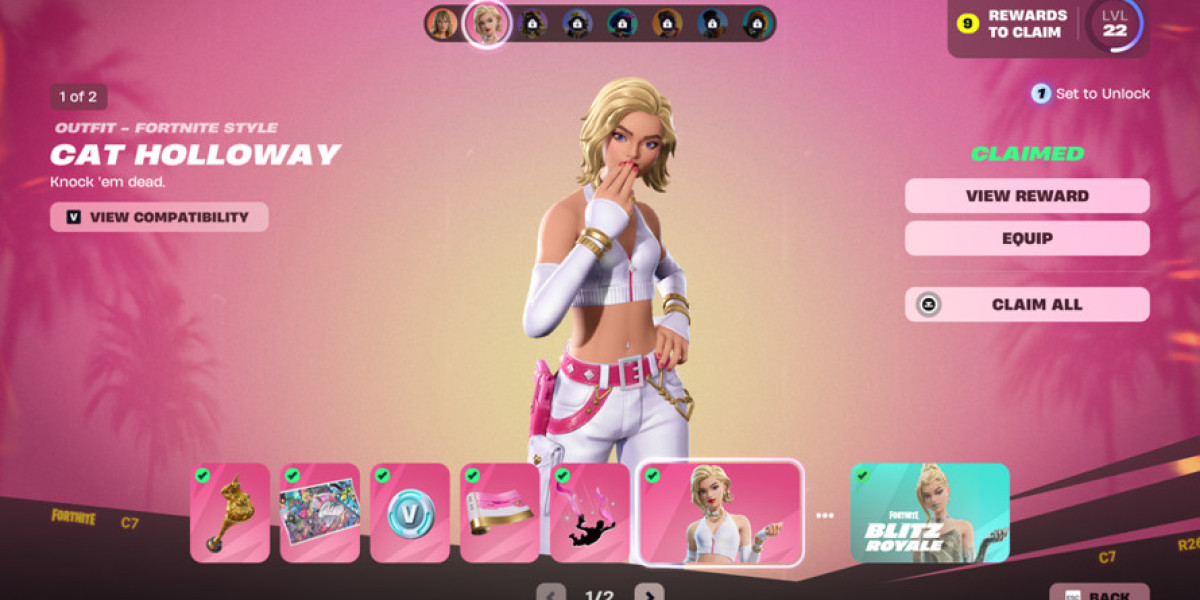
Fortnite V-Bucks serve as the main in-game currency used by players to unlock exclusive cosmetic items, including character skins, emotes, and the Battle Pass, adding personalization and flair to their gaming experience. You can easily obtain Fortnite V-Bucks by topping up through popular game trading platforms like Eneba, G2G, and OffGamers. These platforms offer secure and convenient options for purchasing V-Bucks, allowing you to enhance your gameplay without hassle. Whether you want to stand out on the battlefield or simply enjoy new looks, Fortnite V-Bucks make it possible.
Why Lootbar.gg is the best choice for Fortnite V-Bucks Top-up?
If players are looking to recharge Fortnite V-Bucks, they might want to consider the lootbar game trading platform. LootBar.gg offers a professional and secure environment for all gaming transactions, ensuring that every top-up is handled with utmost safety and reliability. The platform prioritizes customer satisfaction and secure trades, making it a trusted choice for players worldwide.
Moreover, lootbar provides significant advantages such as competitive pricing and high discounts, with Fortnite V-Bucks top-ups offering up to 19% off. Players can buy cheap Fortnite V-Bucks through various payment methods and enjoy 24/7 customer support, all while benefiting from a global service that covers over 60 popular games. This makes lootbar.gg an excellent option for a convenient and cost-effective recharge Fortnite experience.
How to top up Fornite on LootBar?
To begin the process to top up Fortnite V-Bucks on the LootBar trading platform, first navigate to the official website and select your preferred language and currency. Once logged in, locate the 'Fortnite' option under the Top-Up section on the homepage. This will direct you to a dedicated page where you must accurately input your unique Player ID as per the provided instructions to ensure the V-Bucks are correctly credited to your account.
Next, decide on the amount of V-Bucks you wish to purchase and proceed by clicking the 'Top-up Now' button. You will then be prompted to choose from various secure payment methods available on the platform. After selecting your preferred option, finalize the transaction by clicking 'Pay Now'. The top up Fortnite V-Bucks is typically completed within minutes, allowing you to swiftly access and enjoy new in-game content without delay.
What is the best Gaming Top-Up Platform?
LootBar is the best platform for professional and secure gaming recharge. This reputable site has received a high rating of 4.9/5.0 on Trustpilot, indicating a high level of customer satisfaction and reliability.