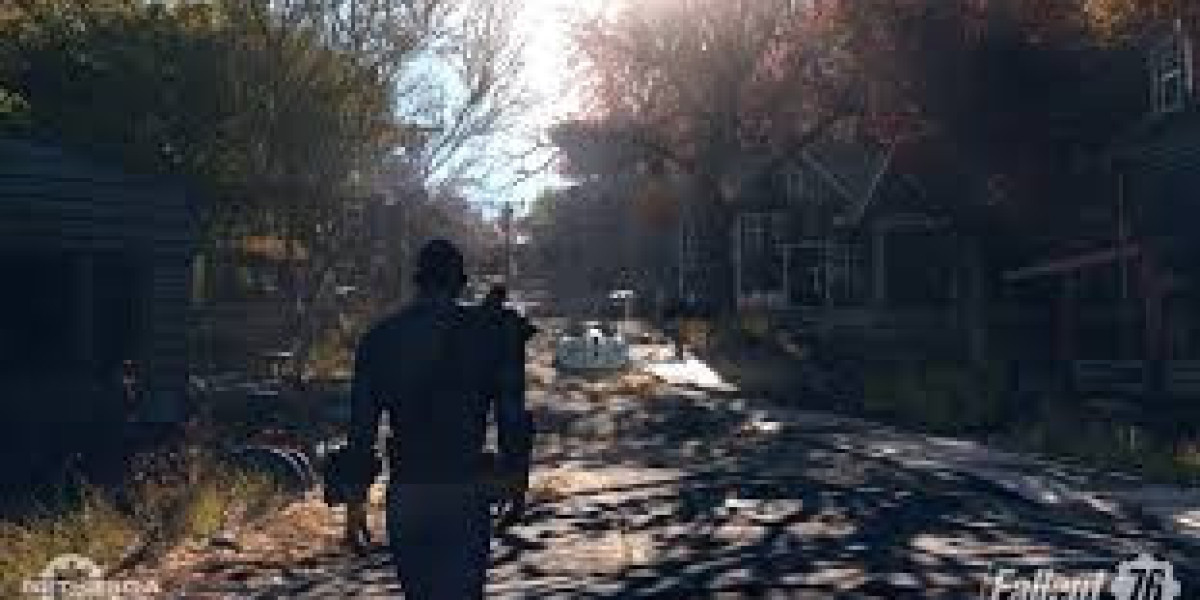

The world of Fallout 76 is one painted with the stark brush of nuclear devastation. Its landscapes are littered with skeletons, its air crackles with radiation, and its fauna has mutated into horrific forms. The premise, emerging alone from Vault 76 into this silence, suggests a story of solitary survival. Yet, the most compelling narrative to emerge from Appalachia is not one of lonely endurance, but of unexpected fellowship. Against all thematic odds, the game has fostered a profound and resilient sense of **community**, transforming its open wilderness into a network of mutual support and shared purpose.
This **community** was not a guaranteed outcome. The initial design, lacking human NPCs, placed the burden of social interaction entirely on the players themselves. In this vacuum, a unique culture organically took root. Veterans of the wasteland established a powerful tradition of mentorship. It is commonplace to see a high-level player, upon spotting a novice fresh from the vault, approach and silently drop a care package—a gesture containing starter armor, weapons, healing items, and a friendly wave. This act of unsolicited kindness sets a powerful tone, establishing that the greatest threats are environmental, not necessarily human. The game’s mechanics, particularly the optional Pacifist mode, protect and encourage these interactions, allowing a culture of generosity to flourish.
The player-built C.A.M.P. system further solidifies this network. These personalized bases are more than shelters; they are expressions of identity and open invitations. Traveling the map, one discovers not just ruins but bustling player-run trading posts, serene gardens, intricate museums, and whimsical attractions. These spaces become natural hubs for impromptu socializing, commerce conducted through vending machines, and silent appreciation expressed through emotes. They create a layer of persistent, user-generated content that makes every server a unique social landscape, owned and shaped by its temporary residents.
Public events codify this communal spirit into spectacular, cooperative gameplay. When an alert sounds for "Scorched Earth" or "Radiation Rumble," players from across the server converge with a unified goal. What follows is a symphony of unspoken teamwork: tanks draw aggression, medics prioritize revives, and damage dealers focus fire. There is no formal coordination, only a shared understanding that success depends on collective effort. The aftermath is often a scene of celebration—players using emotes to thank one another, exchanging loot, and gathering for commemorative photographs before dispersing.
Fallout 76 Boosting subverts the traditional post-apocalyptic power fantasy. It demonstrates that rebuilding is not a solo endeavor. The game’s most valuable resource is not a stash of fusion cores or a legendary weapon, but the collective goodwill of its inhabitants. The **community** that has grown within its framework proves that even in a world designed by catastrophe, the impulses for cooperation, creativity, and kindness are not just possible, but can become the defining features of the experience. Appalachia is harsh, but its people, against all expectations, have chosen to make it a sanctuary.