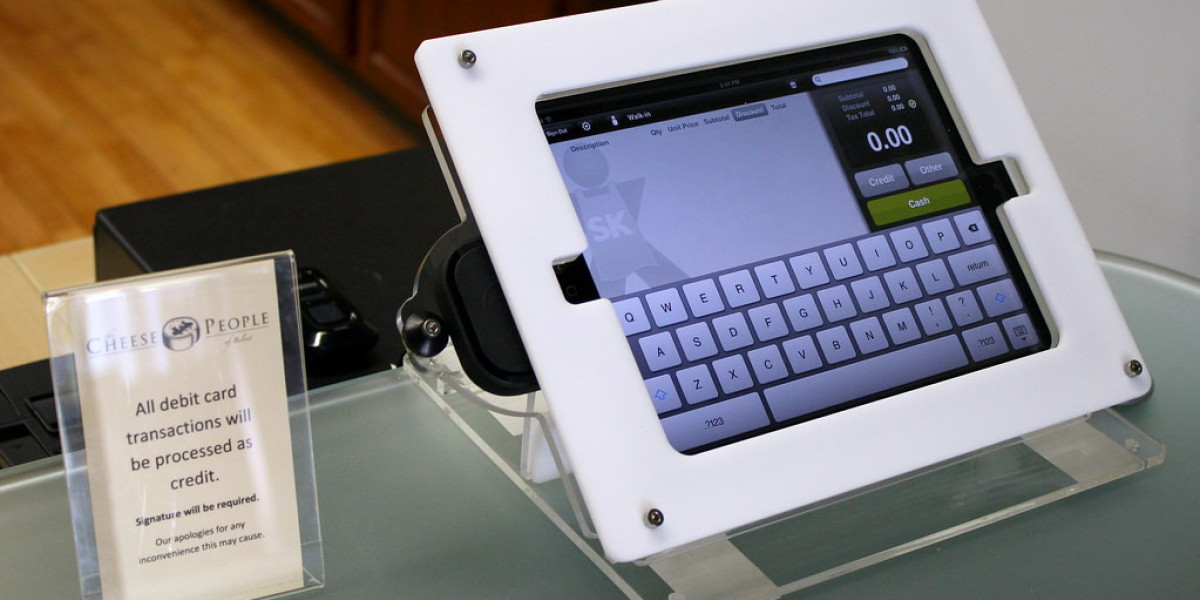

Tax compliance is a crucial aspect of running a retail business. Mistakes in tax calculation can lead to penalties, audits, and financial loss. Traditional methods of manually calculating taxes are time-consuming and prone to errors. Modern POS systems have transformed how retailers handle taxes, ensuring accuracy, efficiency, and compliance with legal requirements.
Challenges in Manual Tax Calculation
Retailers relying on manual calculations often face:
Human Errors: Miscalculations in percentage-based taxes or multiple tax rates can occur.
Complex Tax Rules: Different products, services, and locations may have varying tax rates.
Time-Consuming Processes: Manual calculations slow down checkouts and accounting procedures.
Audit Risks: Inaccurate tax records increase the likelihood of penalties during audits.
How POS Systems Ensure Accurate Tax Calculation
Automated Tax Computation
POS systems automatically calculate applicable taxes for each item based on pre-configured rates. This reduces errors and ensures consistency across all transactions.Multiple Tax Support
Retailers often need to apply different taxes such as VAT, sales tax, or service tax depending on the product or region. Modern POS systems handle multiple tax rates simultaneously.Real-Time Updates
Tax rates may change due to government regulations. POS systems update automatically or through simple configuration changes, keeping calculations accurate and compliant.Integrated Reporting
POS platforms generate detailed tax reports for accounting and audit purposes. These reports summarize sales, taxable amounts, and collected taxes, making compliance simple and transparent.Seamless Refund Tax Handling
When processing returns, POS systems automatically adjust taxes according to the original transaction, ensuring accurate refund amounts and avoiding manual recalculations.
Benefits for Retailers
Accuracy: Reduces human errors in tax calculation.
Efficiency: Speeds up checkout and accounting processes.
Compliance: Ensures adherence to local tax regulations, minimizing audit risks.
Record-Keeping: Generates organized reports for financial and legal documentation.
Best Practices for Retail Tax Management Using POS
Regularly Update Tax Rates: Ensure the system reflects the latest local tax policies.
Train Staff: Employees should understand how taxes are applied and verified in the POS system.
Use Detailed Reports: Periodically review tax reports for discrepancies or unusual patterns.
Integrate with Accounting Software: Linking POS with accounting systems streamlines end-of-month reconciliations and filing.
Mhouse: Simplifying Tax Accuracy
Retailers can ensure precise tax calculation and compliance using Mhouse POS systems. Mhouse provides:
Automated and accurate tax computation
Support for multiple tax rates and regions
Real-time updates on tax changes
Detailed reporting for audits and accounting
By using Mhouse, retailers save time, reduce errors, and maintain full compliance with minimal effort, allowing them to focus on customer service and business growth.
Conclusion
Accurate tax calculation and compliance are vital for retail operations. POS systems automate this process, reduce errors, and provide detailed records for reporting and audits. With platforms like Mhouse, retailers can simplify tax management, ensure compliance, and maintain efficient operations while enhancing overall business performance.