
The neckline of a bridal suit is one of the most defining elements of the entire outfit. It shapes the upper silhouette, frames the face, and determines how jewelry, dupatta, and hairstyle come together. While embroidery and fabric often draw immediate attention, the neckline quietly controls balance and elegance.
Choosing the right neckline for a bridal suit is not just about what looks good on a hanger. It depends on body proportions, wedding function, fabric weight, and the overall design language of the outfit. A thoughtful neckline choice ensures the bridal look feels graceful rather than forced.
Why Neckline Selection Matters in Bridal Wear
Bridal suits are usually heavier, more structured, and more detailed than everyday outfits. This makes the neckline even more important. A neckline that works well in casual wear may not suit a bridal setting.
The neckline affects posture, comfort, and how heavy embellishments sit on the body. It also determines how the bride’s face is highlighted in photographs, especially during close-up shots. A well-chosen neckline enhances natural features without overpowering them.
Round Necklines for Timeless Elegance
Round necklines are a classic choice for bridal suits. They offer balance and suit a wide range of body types. For brides who prefer tradition and simplicity, a round neckline provides a safe yet elegant option.
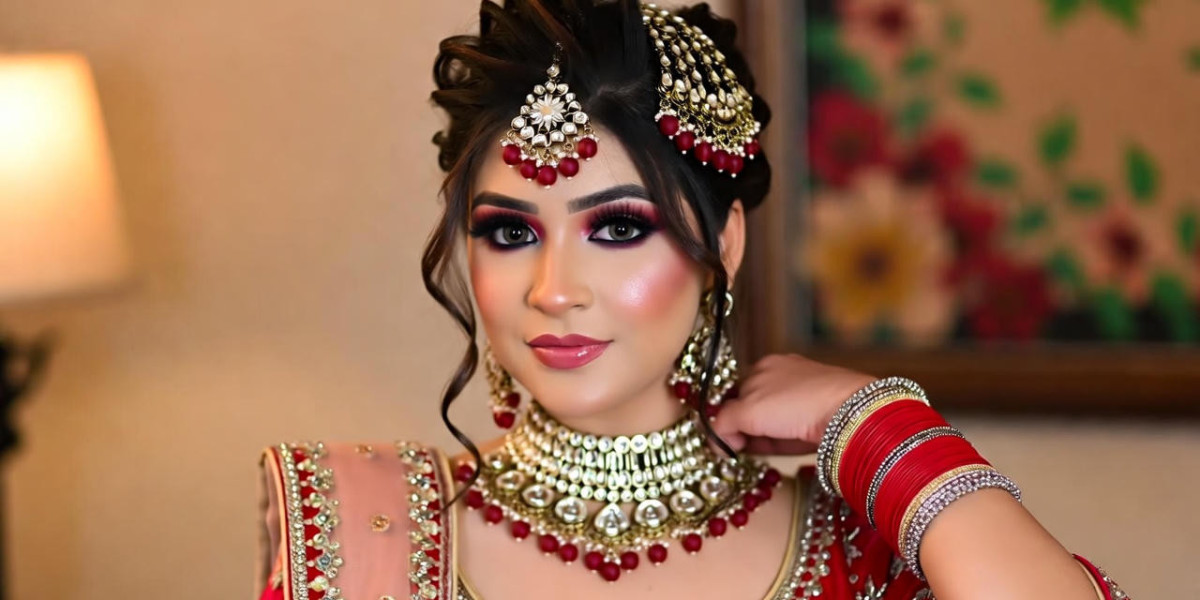
In bridal wear, round necklines are often elevated with heavy embroidery, stones, or zari work. A slightly deeper round cut adds softness while still maintaining modesty. This neckline works particularly well for brides wearing heavy necklaces or layered jewelry.
Round necklines are also ideal for long wedding events, as they provide comfort without restricting movement.
Boat Necklines for Structured Grace
Boat necklines sit wide across the collarbone, creating a strong and graceful frame. This style works best for brides who want a refined and polished look.
In bridal suits, boat necklines are often paired with dense embroidery or detailed borders. They highlight the shoulders and collarbone, making them suitable for brides who prefer minimal neck jewelry or statement earrings instead.
This neckline works especially well with fitted bridal suits and heavier fabrics like silk or velvet.
V-Necklines for Length and Balance
V-necklines are a popular choice for brides who want a lengthening effect. This neckline naturally draws the eye downward, creating a balanced and flattering silhouette.
In bridal suits, V-necks are usually designed with controlled depth to maintain elegance. Embroidery along the edges of the V adds structure and prevents the neckline from feeling too plain.
This style works well for brides with shorter necks or fuller upper bodies, as it creates a slimming visual effect.
Square Necklines for Modern Bridal Looks
Square necklines bring a clean and contemporary feel to bridal suits. Their defined shape adds structure and confidence to the overall look.
This neckline pairs beautifully with symmetrical embroidery and well-fitted bodices. It frames the neckline neatly and works best for brides who want a bold yet controlled appearance.
Square necklines also allow bridal jewelry to sit perfectly without clashing with the dress design.
High Necklines for Regal Bridal Suits
High necklines are often associated with formal and regal bridal looks. They create a strong presence and work well with heavily embroidered suits.
This neckline is ideal for brides who prefer modest coverage while still making a statement. It pairs well with elaborate dupatta draping and sleek hairstyles.
High neck bridal suits are particularly suitable for reception events or winter weddings where richer fabrics are used.
Sweetheart Necklines for Soft Bridal Appeal
Sweetheart necklines add softness and femininity to bridal suits. Though traditionally associated with lehengas, they are now being adapted tastefully into bridal suit designs.
This neckline highlights the upper body gently and pairs well with lighter jewelry. It suits brides who want a romantic look without excessive detailing.
Careful tailoring is essential with sweetheart necklines to ensure comfort and support throughout the event.
Matching Necklines with Fabric and Embroidery
Fabric choice plays a major role in neckline selection. Heavy fabrics like velvet or jamawar suit structured necklines such as boat or high necks. Lighter fabrics like net or chiffon work better with softer cuts like round or V-necks.
Embroidery placement should enhance the neckline rather than crowd it. Dense work around a small neckline can feel overwhelming, while minimal embroidery on a wide neckline may look incomplete.
Balance between fabric, embroidery, and neckline is key to a refined bridal suit.
Dupatta and Jewelry Coordination
The neckline should always be chosen with dupatta styling in mind. A dupatta draped over the head works best with structured or modest necklines. Side or shoulder drapes allow for more flexibility.
Jewelry also depends heavily on neckline shape. High necklines often require statement earrings instead of necklaces, while open necklines allow layered jewelry to shine.
When these elements align, the bridal look feels cohesive and intentional.
Designer Perspective on Bridal Necklines
Experienced designers treat the neckline as the foundation of the bridal suit. Every other element builds around it, from embroidery flow to fitting and finishing.
This thoughtful approach is reflected in bridal collections by Rizwan byeg design, where neckline selection enhances both tradition and modern elegance without overpowering the bride’s natural presence.
Final Thoughts on Bridal Neckline Selection
The right neckline does more than complete a bridal suit. It shapes confidence, comfort, and overall presentation. Brides who choose necklines based on body type, fabric, and event often achieve a look that feels timeless rather than trend-driven.