
Cardboard displays have become a cornerstone of modern retail merchandising, offering brands a cost-effective and flexible way to showcase products at the point of sale. From supermarkets and convenience stores to trade shows and pop-up shops, these displays help attract attention, organize products, and influence purchasing decisions without the permanence or expense of traditional fixtures.
As retail environments evolve, cardboard display solutions continue to gain popularity due to their adaptability and sustainability.
What Are Cardboard Displays?
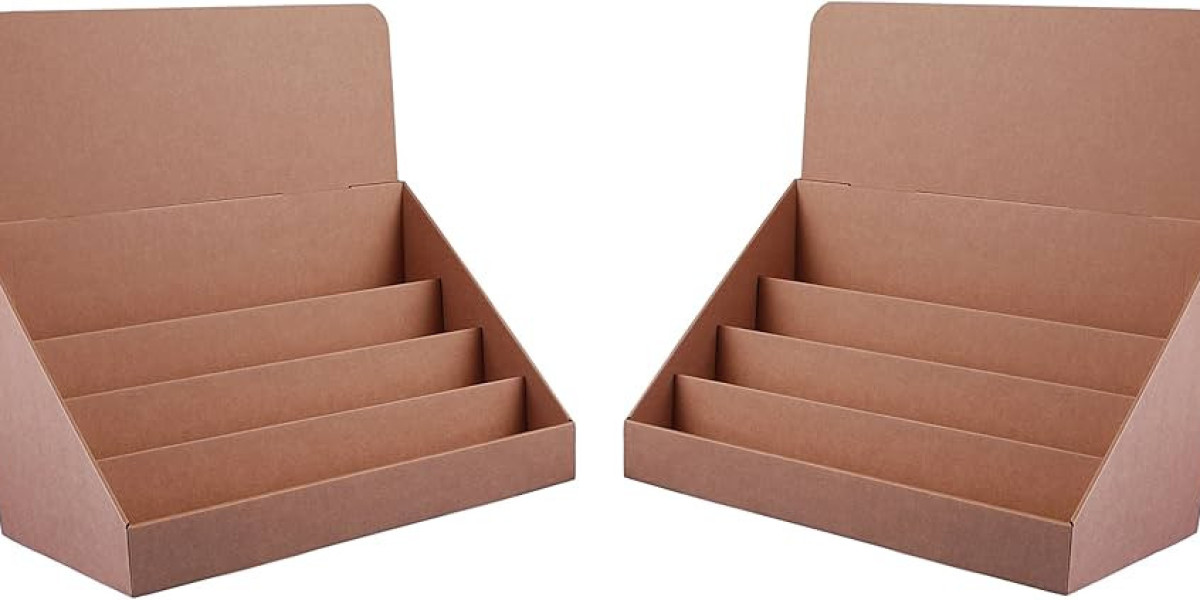
Cardboard displays are temporary or semi-permanent product presentation structures made from corrugated or paperboard materials. They are designed to hold, organize, and promote products in high-traffic retail areas such as aisles, checkout counters, or endcaps.
These displays are lightweight, easy to assemble, and often printed with branding, making them ideal for promotions, product launches, and seasonal campaigns.
Common Types of Cardboard Displays
Floor-Standing Displays
These freestanding units are used for high-visibility promotions and can hold a large number of products. They are commonly placed at aisle ends or near entrances.
Countertop Display Units
Compact and space-efficient, countertop displays are ideal for small items like cosmetics, snacks, accessories, or impulse-buy products near checkout areas.
Pallet Displays
Designed to sit on standard pallets, these displays are used in bulk retail environments to present products quickly and efficiently.
Dump Bins and Baskets
Open cardboard bins allow customers to browse freely and are often used for promotional or discounted items.
Materials Used in Cardboard Displays
Corrugated Board
Corrugated material provides strength and durability, making it suitable for holding heavier products or supporting multi-tier designs.
Paperboard
Lighter than corrugated board, paperboard is commonly used for countertop or short-term promotional displays.
Eco-Friendly Materials
Many displays are made using recycled cardboard and printed with water-based inks, supporting sustainable retail practices.
Benefits of Cardboard Displays
Cost-Effective Merchandising
Cardboard displays are significantly more affordable than metal or plastic fixtures, making them ideal for short-term campaigns.
Lightweight and Easy Assembly
These displays are easy to transport, assemble, and disassemble without tools, reducing setup time and labor costs.
Customizable Design
Brands can customize shape, size, and graphics to align with marketing goals and product identity.
Environmentally Responsible
Cardboard displays are recyclable and often made from renewable materials, helping brands reduce their environmental footprint.
Increased Product Visibility
Strategic placement and eye-catching graphics help improve product discovery and impulse purchases.
Design Considerations for Effective Displays
To ensure performance and durability, businesses should consider:
Load-bearing capacity
Shelf depth and spacing
Stability and balance
Clear branding and messaging
Retailer compliance requirements
Well-designed cardboard merchandising units enhance both aesthetics and functionality.
Sustainability and Retail Trends
Retailers are increasingly favoring cardboard displays due to:
Reduced plastic usage
Easy recyclability after promotions
Lower carbon footprint compared to permanent fixtures
Compatibility with circular economy initiatives
These factors make cardboard an ideal material for modern retail environments.
Conclusion
Cardboard displays offer a practical, flexible, and sustainable way to enhance product presentation and retail visibility. Their affordability, customization options, and eco-friendly nature make them a preferred choice for brands looking to execute impactful in-store promotions without long-term commitments.
Businesses exploring high-quality cardboard display solutions can work with experienced packaging providers like Custom size boxes to develop displays that align with retail goals, brand identity, and sustainability standards.