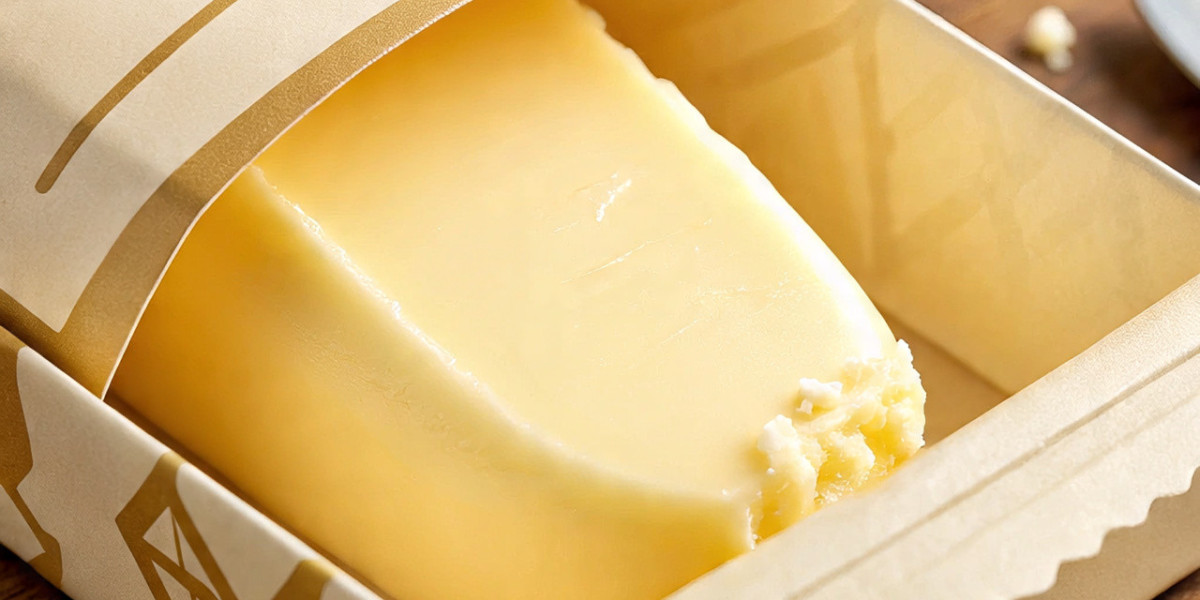

Butter packaging plays a critical role in preserving freshness, protecting flavor, and ensuring food safety from production to consumption. As a dairy product that is highly sensitive to light, oxygen, and temperature, butter requires carefully engineered packaging solutions that balance protection, sustainability, and consumer convenience.
Understanding modern butter packaging helps food brands, dairy producers, and retailers select solutions that maintain product quality while meeting regulatory and market expectations.
The Purpose of Butter Packaging
The primary function of butter packaging is to protect the product from external factors that can degrade quality. Butter is particularly vulnerable to:
Oxidation, which causes off-flavors
Light exposure, leading to rancidity
Moisture loss or absorption
Contamination during handling and storage
Effective dairy wrapping solutions act as a barrier while maintaining the butter’s texture, aroma, and nutritional integrity.
Common Materials Used in Butter Packaging
Foil-Based Wrapping Solutions
Aluminum foil laminates are widely used for wrapping butter due to their excellent barrier properties. These materials prevent light and oxygen penetration and help extend shelf life.
Paper and Waxed Wraps
Grease-resistant paper combined with wax or polyethylene coatings provides a traditional and cost-effective option. These wraps are easy to fold, print, and handle, making them suitable for retail butter blocks and sticks.
Plastic Containers and Tubs
Butter tubs made from food-grade plastics offer convenience and resealability. They are commonly used for spreadable butter and blended dairy products. Secure lids help protect against contamination and moisture ingress.
Sustainable and Compostable Materials
Eco-friendly dairy packaging solutions are gaining traction. Compostable papers, biodegradable coatings, and recyclable laminates help brands reduce environmental impact while maintaining product safety.
Design and Functional Considerations
Barrier Protection
Packaging must offer sufficient resistance to oxygen, light, and moisture to prevent spoilage and flavor degradation.
Temperature Stability
Butter packaging should remain stable under refrigeration and mild freezing conditions without cracking or losing integrity.
Portion Control and Convenience
Pre-measured butter sticks, individually wrapped portions, and resealable containers improve usability for both households and foodservice operations.
Branding and Labeling
Clear labeling, nutritional information, and traceability are essential. High-quality printing enhances shelf appeal while complying with food labeling regulations.
Food Safety and Regulatory Compliance
Butter packaging must comply with food safety standards and regulations set by relevant authorities. Key requirements include:
Use of food-grade materials
Migration testing to ensure packaging does not transfer harmful substances
Proper sealing to prevent contamination
Compliance with local and international dairy packaging laws
Manufacturers must ensure packaging processes follow hygienic handling practices to maintain product integrity.
Sustainability Trends in Dairy Packaging
The dairy industry is increasingly focused on reducing packaging waste. Innovations include:
Lightweight packaging materials
Mono-material structures for easier recycling
Reduced ink coverage and water-based inks
Packaging designed for reuse or recyclability
These trends support environmental goals while meeting consumer expectations for responsible packaging.
Conclusion
Butter packaging is a vital component of dairy product quality, safety, and market success. The right combination of protective materials, functional design, and regulatory compliance ensures butter reaches consumers in optimal condition. As sustainability and convenience continue to shape the food packaging industry, innovative dairy wrapping solutions will remain central to maintaining freshness and brand trust.
Brands seeking reliable and thoughtfully designed dairy packaging solutions can benefit from partnering with experienced providers like Custom Designs Boxes, who understand the technical and regulatory demands of food-grade packaging.