
Summary
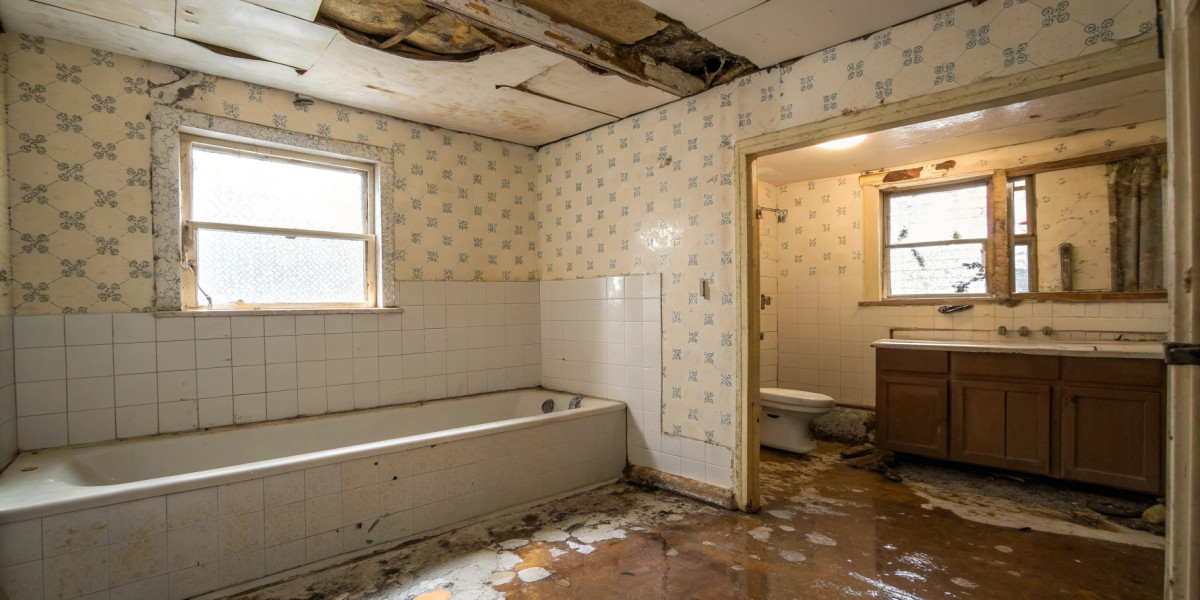
Undetected bathroom water damage can quietly escalate into serious structural problems if left unaddressed. Hidden leaks from sinks, toilets, showers, or deteriorating grout often go unnoticed, allowing moisture to seep into walls, floors, and subflooring. As moisture lingers, it degrades wood framing, leads to warped flooring, and deteriorates drywall, with damage often extending into surrounding areas. Extended exposure to damp conditions also encourages mold development, which can further weaken building materials and negatively affect indoor air quality. Early warning signs such as musty odors, loose tiles, and rising water bills should never be ignored. Regular inspections, proper ventilation, and timely repairs are essential to preventing long-term damage and costly structural repairs caused by ongoing bathroom water issues.
-
Introduction
Bathrooms are one of the most water-intensive areas in any home. With constant exposure to moisture from sinks, toilets, showers, and tubs, even a minor leak can quickly turn into a major issue if left unnoticed. Unfortunately, many homeowners don’t realize there’s a problem until visible damage appears, and by then, the structural integrity of the home may already be compromised.
What makes bathroom-related moisture issues particularly dangerous is how quietly they develop. Water can seep behind walls, under tiles, and into flooring materials without obvious warning signs. When a water damage bathroom issue goes undetected for weeks or months, it can weaken essential structural components, promote mold growth, and significantly increase repair costs.
Why Bathroom Water Damage Often Goes Unnoticed
Bathroom water damage is frequently hidden due to the design and materials used in these spaces. Waterproof finishes like tiles and vinyl flooring can mask underlying moisture problems while water slowly penetrates grout lines, caulking, and pipe joints.
Some of the most common causes of undetected bathroom water damage include:
Slow leaks behind walls or under sinks
Cracked or deteriorating grout and sealant
Loose toilet bases allowing water to seep into subflooring
Poor ventilation leading to trapped humidity
Because these issues don’t always produce immediate puddles or visible stains, homeowners may overlook them until damage has spread beyond the bathroom itself.
How Water Damage Impacts Structural Integrity
When water seeps into building materials, it gradually compromises the home’s structural integrity beneath the surface. Moisture penetrates wood framing, causing it to expand, distort, and eventually decay. As this damage progresses, the strength of walls and floors diminishes, reducing their ability to safely support weight.
Subfloors are especially vulnerable. Persistent moisture can cause plywood or particle board to deteriorate, resulting in sagging floors, loose tiles, and even collapse in severe cases. Drywall also absorbs water quickly, losing strength and becoming a breeding ground for mold.
In multi-story homes, bathroom leaks can travel downward, affecting ceilings, insulation, and framing on lower levels expanding the scope of damage far beyond the original source.
The Hidden Threat of Mold and Mildew
Structural damage isn’t the only concern. Ongoing moisture creates the perfect environment for mold growth, which can begin developing within 24–48 hours. Mold weakens materials further while posing serious health risks, especially for individuals with allergies, asthma, or compromised immune systems.
According to the U.S. Environmental Protection Agency , prolonged exposure to mold can cause respiratory issues and worsen existing health conditions. Bathrooms with hidden leaks often become mold hotspots because warmth and humidity accelerate fungal growth.
Early Warning Signs Homeowners Should Never Ignore
Even when damage isn’t visible, there are subtle indicators that something may be wrong behind the scenes. Catching these signs early can prevent expensive structural repairs.
Watch out for:
Persistent musty odors
Peeling paint or bubbling wallpaper
Loose or cracked tiles
Warped baseboards or flooring near bathroom fixtures
Unexplained increases in water bills
These symptoms often signal ongoing moisture problems that require immediate investigation.
Why Delaying Repairs Increases Costs
The longer bathroom water damage is left untreated, the more extensive and expensive the repairs become. What might start as a simple pipe repair can escalate into subfloor replacement, wall reconstruction, and mold remediation.
Insurance claims can also become complicated if damage is deemed the result of neglect rather than a sudden incident. Addressing bathroom leaks promptly not only protects your home but may also help preserve insurance coverage and property value.
Preventing Escalation Through Proactive Maintenance
Preventing structural damage starts with routine inspections and proactive maintenance. Homeowners should regularly check under sinks, around toilets, and along shower enclosures for signs of moisture. Replacing worn caulking, sealing grout lines, and ensuring proper ventilation can dramatically reduce risk.
Professional inspections are especially valuable if your home is older or has experienced previous plumbing issues. Moisture meters and thermal imaging can detect hidden leaks before visible damage occurs, saving time, money, and stress.
Conclusion: Protecting Your Home from Long-Term Damage
Undetected bathroom leaks may seem minor at first, but they can quietly compromise your home’s foundation, framing, and indoor air quality. Structural damage, mold growth, and costly repairs are often the result of ignoring early warning signs and delaying action. By addressing leaks promptly and staying vigilant, homeowners can prevent bathroom water damage from escalating into a serious threat to their home’s safety and value. Routine inspections, proper ventilation, and timely repairs remain the most effective defenses against long-term moisture-related issues.
FAQs
Q1. How long does it take for bathroom water damage to cause structural issues?
A. Structural damage can begin within weeks if moisture is constant, especially in wood-based materials.
Q2. Can bathroom water damage spread to other areas of the house?
A. Yes, water can travel through walls and floors, affecting ceilings, insulation, and framing in nearby rooms.
Q3. Is mold always present with bathroom water damage?
A. Not always, but prolonged moisture significantly increases the likelihood of mold growth.